Avalanche Dangers and Safety
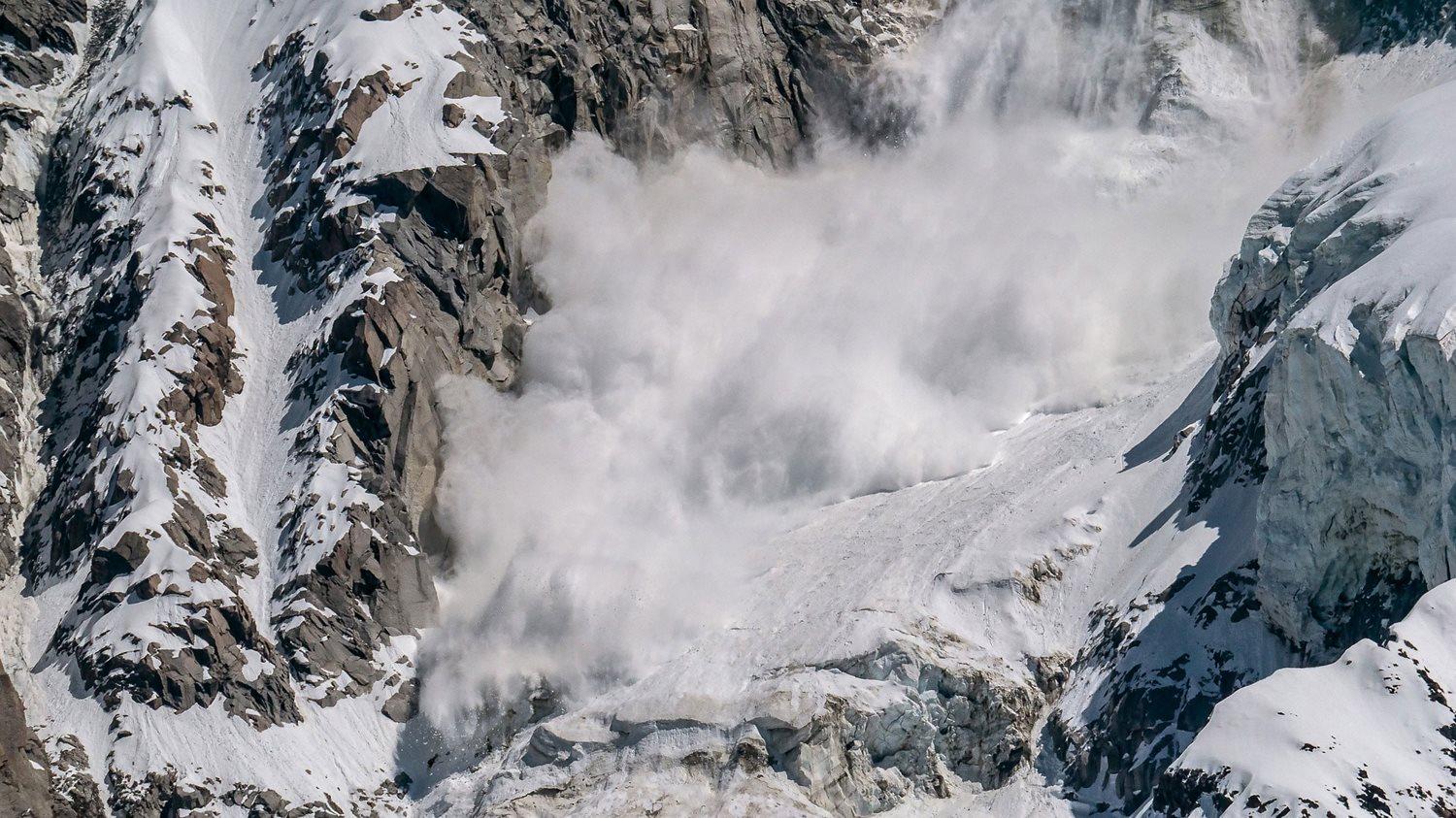
The winter season provides plenty of thrilling and adrenaline pumping opportunities to make memories exploring nature’s remarkable beauty. Whether you are hiking, climbing, skiing, snowboarding, snowmobiling, sledding or snowshoeing, it is important to remember there is the risk of avalanches when you head into snow-covered mountains.
Simply put, an avalanche is a rapid flow of snow down a slope, such as a hill or mountain. Avalanches can vary in size and occur with wet or dry snow. Avalanches are also deadly, with an average of 27 people dying in U.S. avalanches each year. They also injure many more, so before you spend time in snowy mountain wilderness, brush up on your avalanche safety education and arm yourself with information about the weather and avalanche conditions.
Avalanches can occur on any slope given the proper conditions, but there are certain times of the year and particular locations when they become most prevalent and dangerous. Wintertime, from December to April, is when most avalanches occur. Some days are not as hazardous as others, so realizing where, when and why avalanches occur, you can reduce your chances of getting caught in a slide when you visit the backcountry.
Forecasters in the U.S. and Canada use a five-level warning system called the Avalanche Danger Scale. It alerts the public to potential avalanche danger during a specific time in certain mountain regions. The forecast rates the avalanche danger each day (low, moderate, considerable, high, or extreme) based on the likelihood of avalanches, the expected size and distribution of avalanches and travel advice.
For an avalanche to take place, there must be unstable snow, avalanche terrain and a trigger. Unstable snow is snow that wants to or can slide downhill. Weather, precipitation, temperature, wind and sun are a few of the many factors that affect snowpack stability. To learn more about the current avalanche situation, visit the network of professional avalanche centers in the U.S. that provides daily forecasts with detailed information about whether the snow is unstable and where.
Understanding avalanche terrain is crucial to traveling safely in the backcountry. Avalanche terrain is anywhere an avalanche can start, run or stop. The biggest factor is the steepness of the slope, which has to be steep enough for snow to slide. Nearly all avalanche activity begins on slopes between 30 and 45 degrees, but some less common slides do happen on lower angles. To determine whether the slope is steep enough for snow to slide, use a slope meter.
A trigger is the final piece of the avalanche puzzle. Natural triggers such as snow, wind or rain can produce avalanches. However, most avalanche accidents are caused by humans. Human-triggered avalanches start when somebody such as climber, skies, snowshower or snowmobiler walks or rides over a slab with an underlying weak layer. The weak layer collapses, causing the overlaying mass of snow to fracture and start to slide. If you remove one of these three factors, the chance of an avalanche occurring is zero.
In the event of an avalanche, make sure to bring rescue gear and understand how to use it. Avoiding avalanches is the best idea, but if things turn south quickly, having the appropriate rescue gear and knowing how to use it can make a big difference.
Spending time in the backcountry during the winter season can be fun and very rewarding, but always remember to prepare for the risk of avalanches to hopefully avoid turning a great day into a drama filled experience to forget.
Sources: nps.gov, avalanche.org, nwac.us
----------
Story Image via pixabay.com