Drought Impacts: It's More Than You Think!
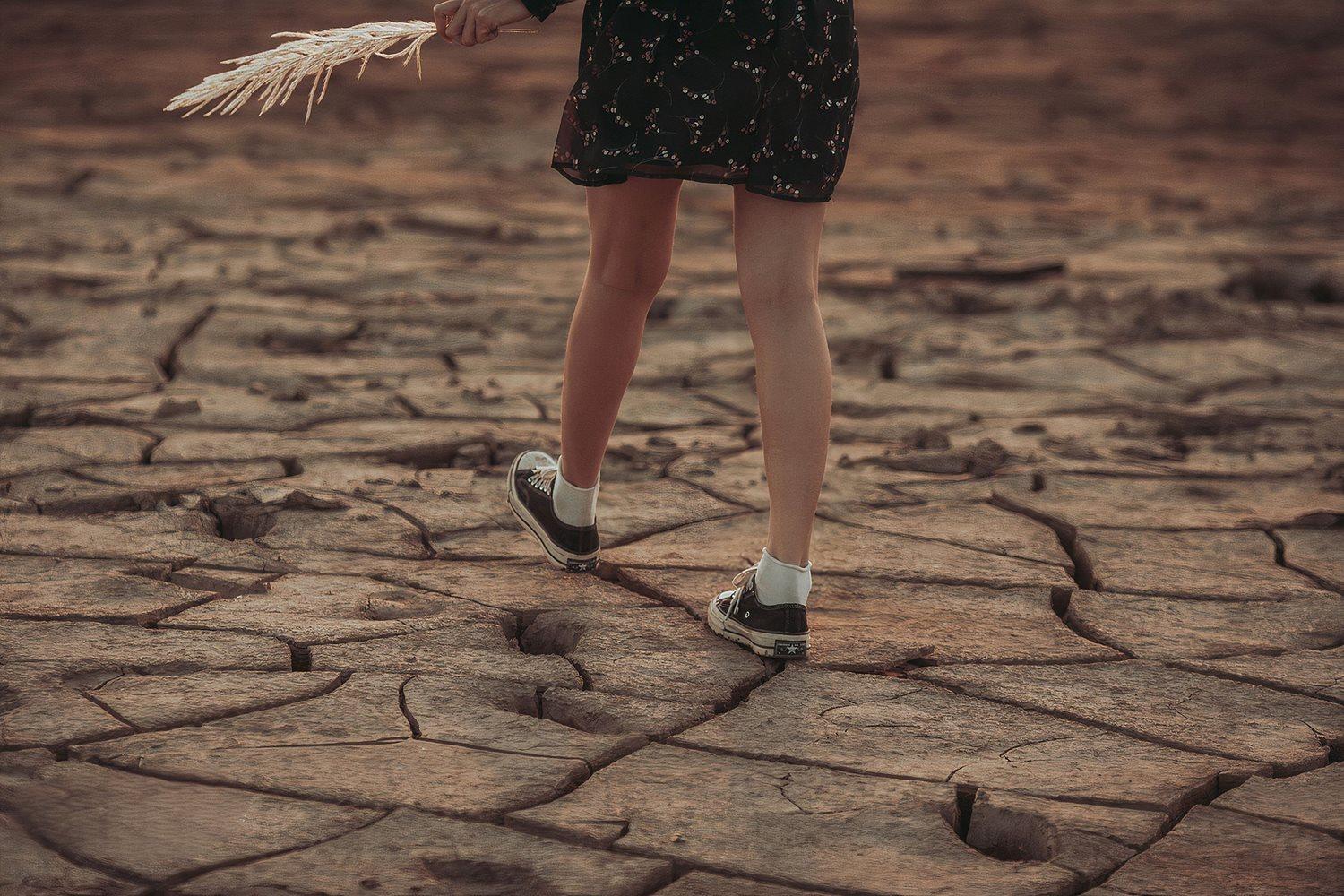
Drought-stricken areas currently cover about 30 percent of the U.S., but what does it mean for the people living those areas? The effects of drought may not always be immediately obvious to the naked eye, especially considering the effects can vary depending on the severity of the drought. However, drought can have a wide range of effects on different industries that you may not necessarily expect.
Agriculture
When you think of a drought, the impacts on agriculture may be the most obvious ones that come to mind. To grow just about any crop, you need water, but drought can reduce both water availability and water quality necessary for productive farms, ranches and grazing lands. This results in negative direct and indirect economic impacts on the agricultural sector. Drought can also contribute to insect outbreaks, increases in wildfire and altered rates of carbon, nutrient and water cycling—all of which can impact agricultural production, critical ecosystem functions that underpin agricultural systems, and the livelihoods and health of farming communities.
Manufacturing
Water is used in many different manufacturing processes such as fabrication, processing, washing, diluting, cooling and transporting goods. A drought can disrupt these processes due to lack of water availability, leading to decreased productivity, efficiency and even total shutdown of certain processes. This can come with hefty economic losses due to lack of production. Manufacturers in drought-stricken areas will often have to plan around water scarcity and may even have to find alternative sources of water such as groundwater pumping and/or using reclaimed, recycled or recirculated water.
Energy
All types of energy production require water, whether it be for cooling, refining, or in the case of hydroelectric power, running water is the main source of energy. A drought can reduce the efficiency at which a power plant generates energy by reducing its capacity to cool or refine. For hydroelectric power, lower water levels in reservoirs reduce the pressure of the running water, also decreasing energy generation capacity.
Recreation and Tourism
Outdoor recreation is a massive industry that contributes to about 2.2 percent of the U.S. national gross domestic product. A lack of water can have both direct and indirect effects on this industry. Examples include reduced snowpacks that affect ski resorts during winter and lower streamflow in rivers which make water-related activities such as kayaking or boating less accessible. Lack of availability in recreational activities that require water or snow leads to reduced travel to many areas that rely on tourism for their local economy. Droughts can also lead to heightened wildfire risk, and national parks will close off areas where there are wildfires or a high wildfire threat. This further reduces access to outdoor recreation.
Transportation
Waterways are vital routes for the transportation of many goods throughout the U.S. Droughts may reduce water levels to a point that makes them inefficient and unsafe for transportation, resulting in the temporary closure of some waterways. This happened in the Great Plains in 2012 when a drought forced officials to close the Mississippi River at least three times, costing an estimated $300 million per day that the river was closed to traffic. It is not just waterways that are affected either. Higher temperatures that often coexist with droughts can impact paved roads, airport runways and can cause rail lines to buckle.
Droughts are not uncommon in the U.S., and often they carry with them mostly negative consequences for certain industries. Water is a critical resource that is vital to many industries, but proper planning and adaptive practices can help minimize the negative effects brought by drought.
-----
Featured image via Pixabay.com
Source: NOAA National Integrated Drought Information System