Back to forecast
Hurricane Preparedness and Evacuation – Plan, Plan, Plan
May 18, 2023 at 04:21 PM EDT
By WeatherBug Sr. Meteorologist, James Aman
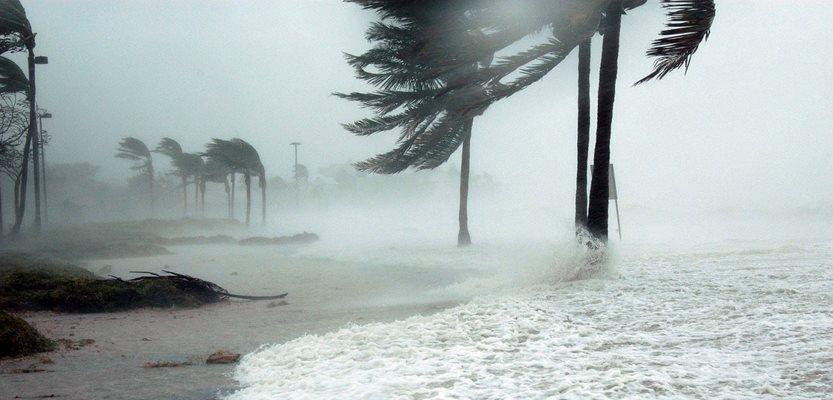
The hurricane season is fast approaching. As we learned from Hurricane Ian in 2022, failing to evacuate from exposed locations can have deadly consequences. Especially if you live near the coast or on a tidal bay or river, you need to be ready to go if a hurricane threatens. Even if you live well inland, you could be hit by river flooding due to torrential tropical rains.
So, it is vitally important for personal safety to plan now to avoid disaster. Also, be thinking of others – do you have a relative or friend who lives in the danger zone? How can you help them to be prepared?
Here are some tips to be ready for a hurricane:
Know if you are in an evacuation zone. Most state and county Emergency Management Agencies (EMA) have webpages with maps and tools to help you determine your risk. If you are in or near an evacuation area, make a written plan. Review your plan with others, such as family, caregivers, and friends.
Think about where you would go if a storm hit. During an evacuation, hotels can be totally booked up for hundreds of miles away. Think about friends or relatives that you could stay with in a safe area. Learn your evacuation routes. Identify where you will stay. If possible, have a couple of different options on where you could go.
During storm season, always be ready to go. Be thinking about leaving as soon as possible, because roads often become jammed two or three days before a storm hits. Hurricane forecasts have become more accurate in recent years, even as far out as five days. If the hurricane forecast cone is even getting close to your area, it may be wise to evacuate. Keep your vehicle gas tank near full and your battery charged. Once a storm is forecast to approach, gas stations and charging stations can quickly become overwhelmed.
Here are other practical tips:
Having a plan and staying prepared will help keep you and your family safe from hurricanes.
Sources: NWS, Ready.gov, CDC, FEMA, Treasury.gov
---------
Image by David Mark from Pixabay
So, it is vitally important for personal safety to plan now to avoid disaster. Also, be thinking of others – do you have a relative or friend who lives in the danger zone? How can you help them to be prepared?
Here are some tips to be ready for a hurricane:
Know if you are in an evacuation zone. Most state and county Emergency Management Agencies (EMA) have webpages with maps and tools to help you determine your risk. If you are in or near an evacuation area, make a written plan. Review your plan with others, such as family, caregivers, and friends.
Think about where you would go if a storm hit. During an evacuation, hotels can be totally booked up for hundreds of miles away. Think about friends or relatives that you could stay with in a safe area. Learn your evacuation routes. Identify where you will stay. If possible, have a couple of different options on where you could go.
During storm season, always be ready to go. Be thinking about leaving as soon as possible, because roads often become jammed two or three days before a storm hits. Hurricane forecasts have become more accurate in recent years, even as far out as five days. If the hurricane forecast cone is even getting close to your area, it may be wise to evacuate. Keep your vehicle gas tank near full and your battery charged. Once a storm is forecast to approach, gas stations and charging stations can quickly become overwhelmed.
Here are other practical tips:
- Have a written list of emergency phone numbers and keep them on the refrigerator.
- Program these same phone numbers into your cell phone also.
- Make copies of important documents such as driver’s license, ID, insurance cards.
- Consider putting electronic copies of these documents in a password-protected computer file.
- Create a road travel emergency kit with food, water, flashlight and your cellphone.
- Also, purchase an extra external cellphone battery and an extra phone charging adapter.
- Always have at least a few weeks supply of any medications and medical supplies.
- If your medicine needs to be kept cold, prepare a cooler bag and ice blocks.
- Think about your pets. Have plenty of pet food on hand, and a pet carrier as well.
- Make your house as storm ready as possible (roof tie-downs, storm shutters, etc.).
- Review your insurance (you may need separate flood insurance as some homeowner’s does not cover flooding).
Having a plan and staying prepared will help keep you and your family safe from hurricanes.
Sources: NWS, Ready.gov, CDC, FEMA, Treasury.gov
---------
Image by David Mark from Pixabay