Back to forecast
Landslides: A Major Danger During Flash Flooding
June 9, 2025 at 10:07 AM EDT
By WeatherBug Sr. Meteorologist, Chad Merrill
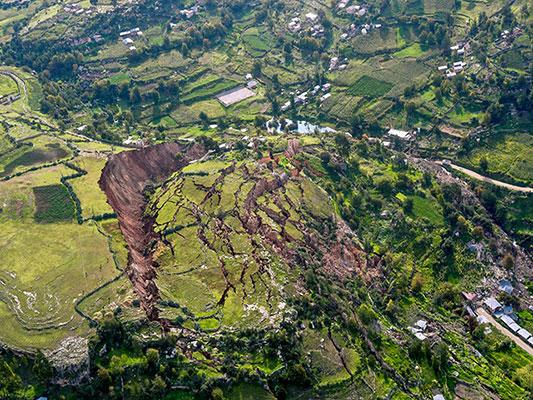
While many people often think of torrents of water rushing over roadways and streams, creeks and rivers flowing out of their banks in a major flood situation, one often hidden danger is landslides.
Landslides or mudslides occur when heavy rain causes water to rapidly accumulate in the ground and helps dislodge rock and debris. They first occur on steep slopes and then like a domino effect, can trickle down to a gentler slope near the bottom of a hill or mountain.
How do you determine if your area is at risk for a landslide or mudslide? Steep slopes that have been charred by wildfires or cleared for future development (such as construction of a roadway through a mountainous area) are most susceptible to landslides during a heavy rain event. Streams and creeks are known to cut through landscape over time and these channels are often steep and lack trees and bushes. Landslides can occur along these stream and creek embankments and redirect water around them, which could impact other property and roadways.
Of particular concern for landslide development are regions where heavy rain occurs in a drought and following earthquakes and volcanic eruptions. These natural disasters increase the risk for landslides by making the exposed steep slopes more vulnerable to dislodge rock and debris during heavy rainstorms.
Be mindful of the precursors to landslides during a heavy rainstorm. Any rapid change in water level in a nearby creek or stream can signify the onset of a debris flow farther upstream. If nearby trees, telephone poles, fences or walls become tilted or holes develop on hillsides, a landslide could be in the making. A definite imminent sign of an approaching landslide is a rumbling sound.
Each year in the U.S., landslides are to blame for 25 to 50 deaths. There is little, if any lead time given on relaying information about landslides covering roadways, so they are a big danger for motorists. Broken electrical, water and sewage lines that results from landslides cause injury and just the nature of the fast-moving water poses a serious risk of trauma to anyone potentially caught along the path of a landslides.
Landslides can occur almost anywhere there is sharp changes in elevation. On October 1, 2015, a major landslide killed at least 280 people in Santa Catarina Pinula, Guatemala. It happened in response to several days of rain that saturated the steep mountain slopes. Residents did not see the landslide coming and the result was many of them became trapped in the mud and debris. Not to be outdone, an upper-level low pressure dropped record rain in the mountains north of Los Angeles on October 15. Mudslides and flash floods trapped nearly 200 vehicles.
By evaluating your risk ahead of time and paying attention to the aforementioned warning signs during a heavy rain storm, you can keep you and your family safe should a landslide occur in your area.
-----------
Story Image: A landslide is seen in March 2018 near Cusco, Peru. (Courtesy Wikimedia Commons)
Landslides or mudslides occur when heavy rain causes water to rapidly accumulate in the ground and helps dislodge rock and debris. They first occur on steep slopes and then like a domino effect, can trickle down to a gentler slope near the bottom of a hill or mountain.
How do you determine if your area is at risk for a landslide or mudslide? Steep slopes that have been charred by wildfires or cleared for future development (such as construction of a roadway through a mountainous area) are most susceptible to landslides during a heavy rain event. Streams and creeks are known to cut through landscape over time and these channels are often steep and lack trees and bushes. Landslides can occur along these stream and creek embankments and redirect water around them, which could impact other property and roadways.
Of particular concern for landslide development are regions where heavy rain occurs in a drought and following earthquakes and volcanic eruptions. These natural disasters increase the risk for landslides by making the exposed steep slopes more vulnerable to dislodge rock and debris during heavy rainstorms.
Be mindful of the precursors to landslides during a heavy rainstorm. Any rapid change in water level in a nearby creek or stream can signify the onset of a debris flow farther upstream. If nearby trees, telephone poles, fences or walls become tilted or holes develop on hillsides, a landslide could be in the making. A definite imminent sign of an approaching landslide is a rumbling sound.
Each year in the U.S., landslides are to blame for 25 to 50 deaths. There is little, if any lead time given on relaying information about landslides covering roadways, so they are a big danger for motorists. Broken electrical, water and sewage lines that results from landslides cause injury and just the nature of the fast-moving water poses a serious risk of trauma to anyone potentially caught along the path of a landslides.
Landslides can occur almost anywhere there is sharp changes in elevation. On October 1, 2015, a major landslide killed at least 280 people in Santa Catarina Pinula, Guatemala. It happened in response to several days of rain that saturated the steep mountain slopes. Residents did not see the landslide coming and the result was many of them became trapped in the mud and debris. Not to be outdone, an upper-level low pressure dropped record rain in the mountains north of Los Angeles on October 15. Mudslides and flash floods trapped nearly 200 vehicles.
By evaluating your risk ahead of time and paying attention to the aforementioned warning signs during a heavy rain storm, you can keep you and your family safe should a landslide occur in your area.
-----------
Story Image: A landslide is seen in March 2018 near Cusco, Peru. (Courtesy Wikimedia Commons)