Snowmelt and Flooding
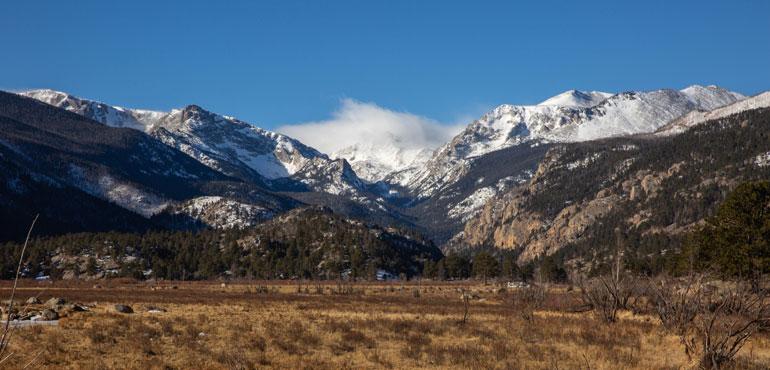
One of nature’s most beautiful effects have been known to create quite the washout. Though it may create a winter wonderland, snow once melted can lead to flooding issues especially in mountainous regions such as the Rockies and Intermountain West.
Snow plays a hefty role in the West as it allows for the ground to receive moisture that it would otherwise be starved of. However, heavy snow or long-standing snow will eventually give way to above freezing temperatures. This allows the snow to melt and adds to the water column of the soil. These regions such as the Rockies, the Cascades, Four Corners and Northwest rely on this relationship of snowmelt for their main water source, but too much of a good thing can have drastic results.
When thinking about flooding and what usually causes it, most people gravitate towards heavy rain and overfilled rivers, lakes and ponds. On that same coin, snowpack that has melted can also become a flooding nuisance. Differing from rainfall, snow can stay on the ground for days, weeks even months at a time if it is cold enough, but gradually adds to the groundwater levels as temperatures rise.
For mountains that have packed on a few pounds of snow, the runoff courtesy of warming temperatures will flood into the soil. Sadly, soils that have been inundated from recent storms may not be able to store or capture the excess runoff. In fact, this assumes that the soil receiving the runoff isn’t frozen over!
Especially in the West, the mountains rely heavily on a well-balanced weather pattern, like any other healthy ecosystem. Not only do they need a few coats of fresh powder, but also refreshing rainfall that keeps the soil moist and away from prolonged freezing.
However, March and April showcases the transition of seasons from winter to spring and often, a burst of rain overlaps a recent snowstorm in the mountainous West. Not only does this “rain” on the parade of spring, but snowmelt rates can increase dramatically leading to an uptick in flooding.
As detrimental as this can be, one should not be worried should they see snow piling up on their lawn. Instead, stay aware of how the recent weather pattern has affected soil moisture in your region. Snowmelt flooding typically worsens when temperatures begin to warm above freezing overnight.
Source(s): weather.gov
Story Image: Rocky Mountain National Park at day in December. (NPS Natural Resources/Wikimedia Commons)